Consistency is the agreement you make with what’s important to you. While consistency takes work, it also takes patience, persistence, and mindfulness. Without consistency, there is an imbalance of priorities and effort in what you invest your time doing. What are you consistent with? What are you not consistent with? What does your consistency tell you about your priorities?
Here are some questions to consider when you evaluate the relationship you have with consistency:
1. Are you putting effort, time, patience, and work into what’s important to you?
2. Are you keeping your word?
3. Are you making excuses?
4. Are you considering other people’s needs besides your own?
5. Is there mutuality and balance in your relationships?
6. Are you avoiding or distracting yourself from the things that hurt you?
7. Are those distractions hurting or helping your priorities?
8. Are you keeping up with your distractions or your healing?
9. What can you improve in your relationships, goals, and priorities moving forward?
“Although my fear of the unknown masked as “what if” questions continue to greet me early in the morning, I can find refuge in knowing I can go to my self-care tools to fight back and be more mindful about the thoughts I encourage.”
Even if the odds are great and the challenges overbearing; even if what is in your face seems larger than life; even if the weight is heavy and the future seems bleak all that you are is greater, larger, and stronger than the mountains and hurdles that are placed in your life to stop you.
What you are is more despite those emotions that hold massive pressure in your body.
When I look at you I see a person that can do it. Whatever you see, feel, and want is yours. Take it. Push the mountains to the side. Claim what is yours.
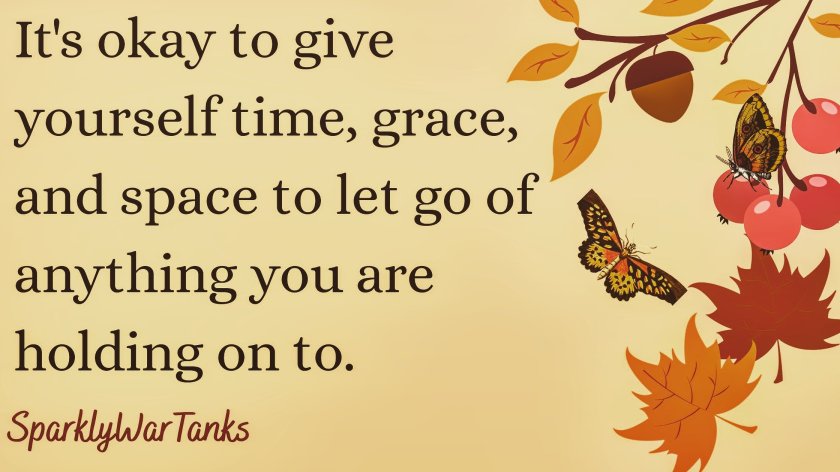
Release the tension in your shoulders, sit straight, and breathe. Give yourself time, space, and the grace necessary to let go of anything you are holding on to. Allow the ebbs and flows of the process to teach you what you need to progress and move forward.
What makes you feel frustrated or unhappy?
What memories resurface?
Who can you ask for help?
How can you prioritize yourself better?
What are your next steps in processing your emotional healing?
What do you need?
Listen to your body.
Listen to your triggers.
Understand yourself.
Affirm you are ready to move forward.
Sometimes it’s hard to remember the thoughts we try to forget about. That one childhood memory that brings everything back or even the ones that happened just last year. And even though we thought it was behind us, in a split second it’s staring us in the face. The feelings flood back and so does the pain, frustration, and confusion, too. Sometimes it’s easier to avoid the memory and pretend it’s not real, to repress it, of course, so we don’t have to feel.
But, as hard as it is to relive those painful memories, the ones we avoid with every part of us, they resurface.
Those memories are telling us to feel them. Without feeling them and processing how they shaped us, we hold that pain within our bodies. We often see those memories wanting to come out; in our dreams, our behavior, through our fears. To process pain and memories is to honor and love ourselves. We are not meant to hold baggage and to suffer unnecessarily. We do not live to suffer, although it seems this way.
Process the memories and express how they made you feel. What did you learn from that memory? How do you see yourself moving on from it?
Empowerment is the constant processing of pain, thoughts, and perspectives into ambition, potential, action, and advocacy. Our stories are what empowers us.
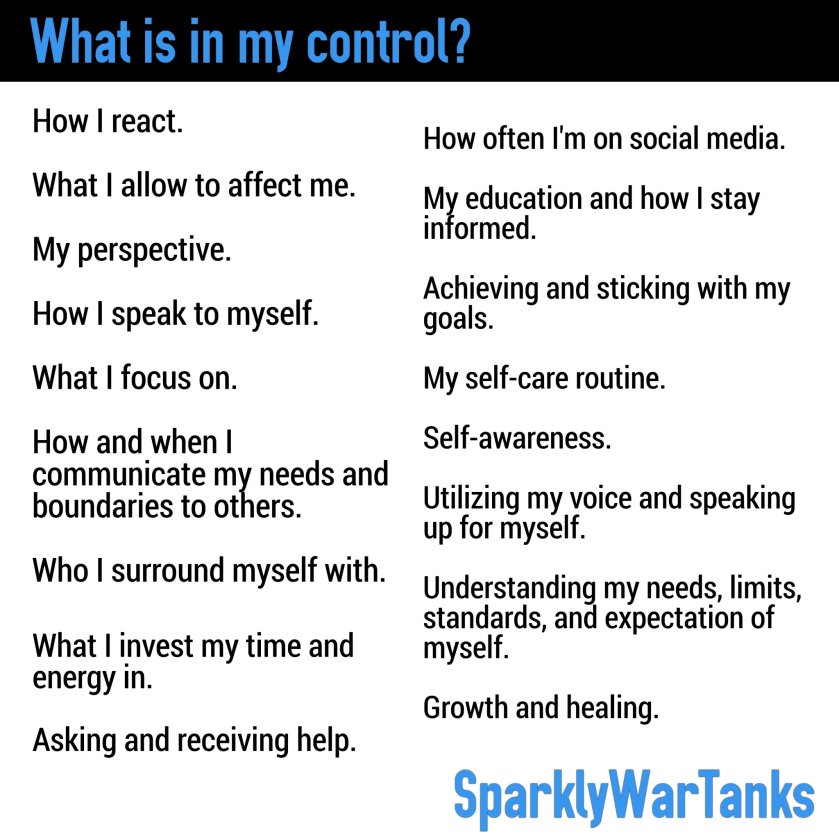
In times of uncertainty, shift your perspective from what you can’t control to what you can. Allow yourself to create a safe space within yourself when what’s outside isn’t serving your needs. There are things you can control and your actions and self-awareness are two of those things.
Often times we stay stuck in the reality of our past. We dwell and ruminate on the what-ifs and maybes. We stand in what we can’t walk away from. But, that doesn’t have to be where we are forever. We can give ourselves permission to move forward. We can dissect and navigate our mistakes, regrets, and pain in order to clear the path of progress for ourselves. The more we become comfortable with our discomfort and adjust our eyes in the darkest parts of ourselves, we learn to forgive what we were and make room for who we can become.
Make room for yourself to walk forward. Clear a path so that you can forgive and lift the weight that’s been keeping you standing instead of moving forward. Manifest something different. Manifest clarity and grace. Manifest wellness and peace. You deserve to feel free. This is your time for freedom.
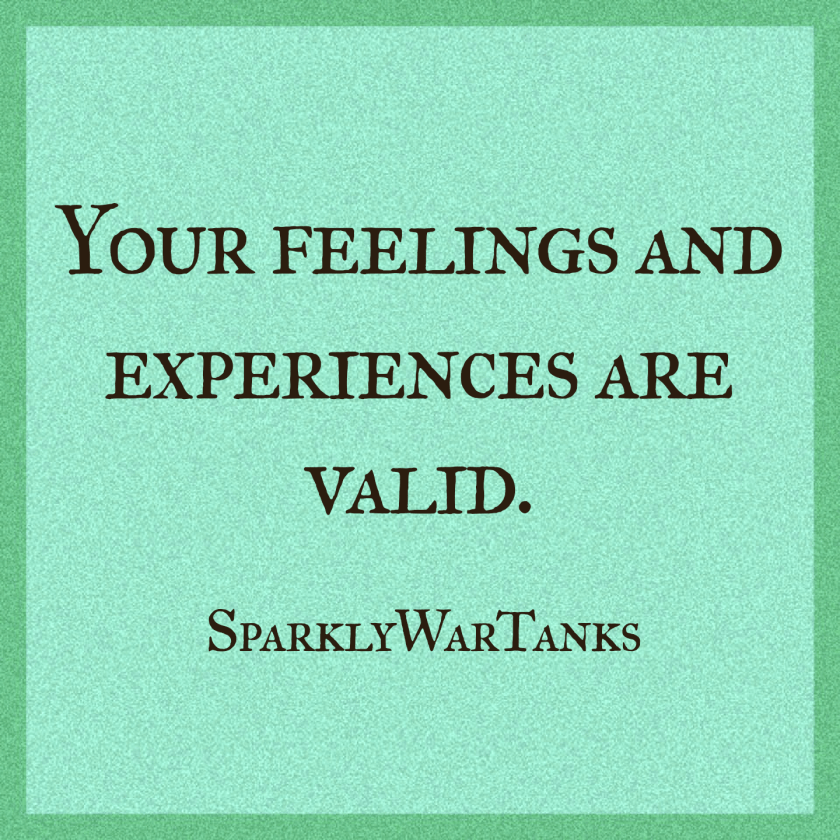
Stand firm and know that what you feel and experience is valid. There is no checklist or standard to what makes your story enough to cause pain, growth, or transformation. Wherever you are in your journey, whatever frustrations, confusions, turmoil, or changes influence how you are perceiving the events that happen to you is your call to make. There is no shame in feeling what you feel.
No need to compare yourself to anyone, downplay what you are feeling, or over-explain any part of your story. You are valid in whatever stage you are in. Receive the support or help that is necessary to get you where you need/want to go in your growth and healing.
Growth and Transformation Through Awareness: Pain and Toxic Traits
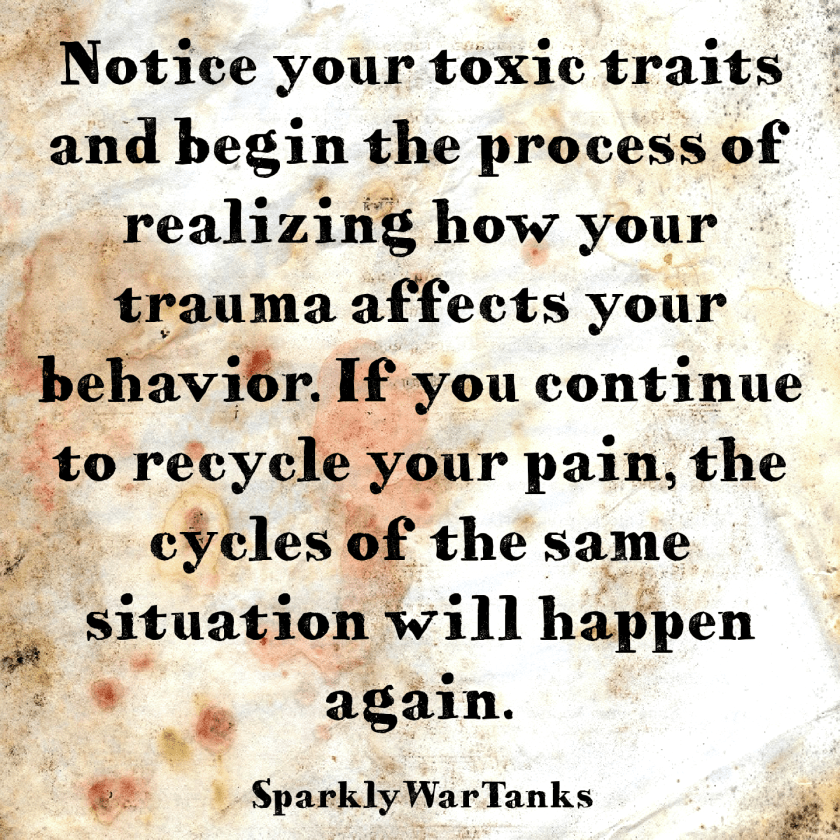
We all have a way in which we think and act based on our beliefs and ideas. Sometimes, however, our judgment and growth are clouded by the pain and trauma we often recycle through our toxic habits and behaviors.
The tricky thing about pain is how deeply rooted it is. We don’t see our behavior as toxic or hurtful until it’s too late and we’ve already hurt someone we might care for.
In order to identify those toxic cycles, we must grow in self-awareness. The more self-aware we become, the more we are able to catch ourselves and understand why we act the way we do. Although some behaviors may appear harmless, like numbing our feelings and trying not to cope with our pain, if repressed for too long, will eventually appear in our behavior.
Projection occurs when we place how we treat ourselves onto the people we love or want to love. Often unconsciously our own self-abandonment is how we begin to treat those around us.
The first step in feeling our pain is to accept that we’ve hurt someone and forgive ourselves. If we hold onto the pain and regret, it will stay with us and lead how we treat those who enter our lives.
Once aware, begin the process of identifying in what ways we can improve and begin to love ourselves in that process. Although we can’t undo another person’s pain, we can improve and heal through our own. We must learn who we are and the pain that guided our past self.
The growth that self-awareness brings can resurface memories and thoughts that created the original pain, but that process will birth a transformed perspective.
We learn through experiences and wanting to do better. Without the urge to do better, the pain will validate itself and remain how we see ourselves.
Important note: This process can be difficult to do on our own but I found therapy, self-help books, meditation, writing, reflective exercises, support groups, and mental health resources to be a great help in beginning this process.
Experiencing a panic attack is exhausting, draining and can take days to recover from. While we sometimes do our best to prevent an escalation into a panic attack, they still can happen. How do we feel like ourselves again following a panic attack? What are some positive coping techniques we can use to improve our self-care?
Resting and Relaxing
Resting and relaxing helps rejuvenate lost energy after experiencing a panic attack. Taking time to recuperate allows us to clear our minds and take the necessary steps to recover.
Resting may look like:
Taking it easy.
Asking for help with chores or errands.
Taking a break from demanding responsibilities.
Prioritizing time alone or with trusted family and friends.
Giving ourselves permission to slow down assists our recovery process and opens our perspective to the best methods of self-care.
Mindfulness
Mindfulness is the skill and habit of focusing awareness on the present moment. The better we become at cultivating nonjudgmental awareness of our thoughts, feelings, environment, and experiences from moment to moment, the more we can learn about ourselves and our stressors. Mindfulness teaches us to notice, accept, and let go rather than dwell and latch onto past thoughts or future worries.
Mindful Daily Activities
Along with resting and relaxing, it’s also beneficial to practice mindfulness while doing everyday activities like eating, drinking, walking, etc. Becoming mindful while engaging in daily activities enables us to clear our minds only to focus on how we are interacting with our environments and ourselves during each moment.
Tip: To eliminate worry, center the senses in current activities rather than what can happen in the future or what happened in the past. Ask yourself what is happening in the here and now.
Mindful Meditation/Controlled Breathing: Sitting in quiet spaces practicing mindful meditation and controlled breathing are also useful coping mechanisms to calm the mind and body. Creating a rhythm of breaths, inhaling and exhaling for the count of five for example, while also clearing our minds of worry helps in recentering focus and control.
Reminder: Mindfulness reinforces our ability to gain control and restore our inner wellbeing.
Reminders and Positive Self-Talk
Accompanying mindfulness is reminders and positive self-talk to further empower our inner sense of security. Reminding ourselves that we are safe and in control helps us move past our fears and into a calmer state of mind.
Some self-soothing affirmations to try include:
I am safe.
I am in control.
I can ask for help if I need to.
I release my fears and worries.
I am powerful and in control of my decisions.
Note: Positive self-talk increases confidence and supports inner strength despite discouraging feelings of doubt and fear.
Identifying Triggers
Our triggers can hinder us from wanting to do the activities we love or want to try. Like mindfulness and positive self-talk, building self-awareness helps us learn more about ourselves and what overwhelms us. One way we can gain self-awareness is by asking important questions.
These questions can be:
What caused this panic attack?
What can I do to prevent possible future spirals and escalations?
What are my next steps?
How am I feeling right now?
Who can I go to for help?
What tools and resources are available to me?
Recognizing and identifying our limits as well as creating boundaries can help us take better care of our mental health. Understanding who we are and what triggers us is a necessary step to preventing future escalations of overwhelm.
Tip: Journaling/Writing can be a helpful tool when attempting to reflect and process what happens after experiencing a panic attack.
Communication
Once we’ve gained some energy and given ourselves time to rest and reflect, we can communicate with others we trust about our experience. This step can be taken during or after our reflection time as processing can look different for everyone.
Reminder: Remember to be gentle communicating experiences with others. Panic attacks do not make anyone a failure or stop any of us from enjoying life or taking risks.
Creativity
Utilizing creativity is not only engaging but can help in the reflection process following a panic attack. We can supplement how we communicate our experience with creative expression.
Asking important questions about an experience can be difficult but using creative prompts in poetry or art can catalyst that process.
Expressing ourselves creatively can be in the form of:
Poetry/Creative Writing
Painting
Digital Art
With creative prompts like:
If you can describe, craft, or create a physical description of the anxiety or feelings following a panic, what would it look like? Would it be a person, place, or thing? Does it have weaknesses and strengths? What is it’s vulnerable points?
Write a letter to the anxiety that leads you to feel overwhelmed. What would you say to it?
Imagine a tree with its roots. Imagine the tree is you. List everything that makes you strong and firm and put them at the roots of the tree. Now, list all of your accomplishments, talents, things that help you keep going and name them on the branches of the tree. As a reminder of all that you are and motivation to move forward, create your tree of life.
Along with using creativity to help process our experiences, we can also use creativity to distract and calm ourselves too. Learning a new craft is both rewarding and fun!
A new craft to try can be:
Sewing
Crocheting
Crafting jewelry
Making keychains
Designing and making stickers.
Sculpting
Next Steps
Now that we’ve learned some tools to bounce back from a panic attack, what techniques are most helpful for you? Self-care is different for all of us so what helps some might not help others and that’s okay! What’s important is feeling better.
Never forget that we are still capable, strong and worthy of whatever we set our minds to despite experiencing moments of panic.






 SparklyWarTanks